
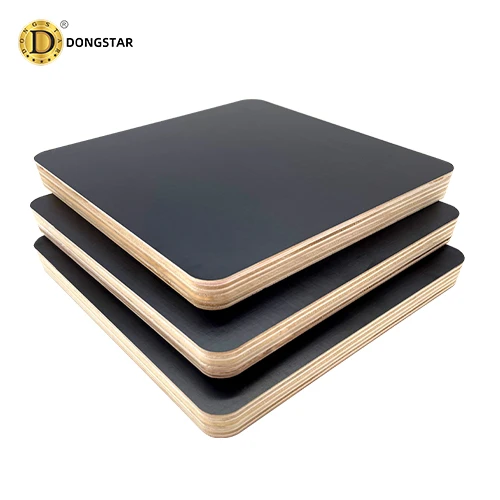
The current procurement landscape for high-grade wood panels is defined by a 4.2% annual growth rate in demand for engineered substrates. Selecting a Furniture Plywood Supplier now requires analyzing resin emission profiles under 2026 E1 and CARB Phase 2 standards, mechanical shear strength exceeding 1.8 MPa, and cross-lamination precision within 0.1mm tolerances. Manufacturers prioritize vendors maintaining a minimum 95% moisture content consistency, as variations beyond 2% lead to structural warping in high-end modular assembly lines. Data-backed audit trails for raw timber provenance now dictate 70% of long-term contract renewals.
Supply chain managers evaluate potential partners by inspecting the density of the birch or poplar veneers, where a variance greater than 5% in GSM weight often indicates compromised structural integrity. Modern automated production facilities require panels with an internal bond strength rating above 0.8 N/mm², a metric essential for CNC routing without delamination.
Technical specifications confirm that plywood containing high-density phenolic resin binders exhibits a 30% higher resistance to humidity-induced swelling compared to standard urea-formaldehyde alternatives used in residential cabinetry.
Factories processing over 50,000 sheets per quarter monitor the percentage of voids within the internal plies, as a void frequency exceeding 2% per square meter compromises the edge-banding finish. Suppliers utilizing X-ray scanning technology to detect internal gaps ensure that 99% of panels arrive free from core defects, drastically reducing waste during final machining.
| Specification | Target Metric | Impact on Production |
| Formaldehyde Emission | ≤ 0.05 ppm | Global Regulatory Compliance |
| Face Veneer Thickness | 0.4mm - 0.6mm | Surface Finishing Quality |
| Edge Straightness | ±0.5mm per meter | CNC Assembly Accuracy |
| Internal Void Rate | < 2% | Structural Integrity |
Market trends show that 65% of procurement departments now demand digital batch tracking, where every pallet is labeled with a QR code linking to the specific moisture content test results taken at the press line. This level of granular data allows plant managers to predict how a panel will react to local climate conditions before the furniture design is finalized.
-
Consistent glue-line strength tests conducted on 100 randomly sampled pieces per 2,000-unit batch.
-
Utilization of hardwood core species that provide a Janka hardness rating suitable for high-traffic office environments.
-
Standardized panel sizing to minimize off-cut waste, which historically accounts for 12% of material expenditure.
Engineered veneer surfacing has evolved to satisfy the 2026 demand for hyper-realistic textures that replicate rift-sawn white oak. These overlays are applied under 150°C heat and 20 bar pressure, ensuring a bond that survives extreme thermal expansion cycles in home environments. Suppliers who integrate these surface technologies provide panels that require 40% less sanding prior to finishing.
Structural stability in furniture relies on the symmetrical orientation of the plys, where a balanced 7-ply construction reduces the probability of torsional bowing by 85% compared to 5-ply alternatives of similar thickness.
Logistics efficiency is measured by the supplier’s ability to maintain a lead time fluctuation of less than 3 days, even during peak procurement periods. Operations handling 10,000 units monthly integrate their ERP software directly with the mill's production schedule to ensure a continuous material flow.
Suppliers failing to provide documented life cycle assessments for their timber sourcing are seeing their market share drop by roughly 15% annually. Environmental compliance now extends to the energy consumption of the lamination press, with top-tier vendors reducing their carbon footprint by 22% through the use of biomass-fired heating systems.
Refinement of the manufacturing process relies on the precision of the glue spread, which must be calibrated to 180 grams per square meter. A variance of even 10 grams disrupts the curing process, resulting in internal pressure bubbles that remain undetected until the panel is cut for high-precision joinery components.
The integration of smart-monitoring during the hot-pressing stage allows for real-time adjustments based on the ambient humidity of the factory floor. By maintaining a factory environment at 45% relative humidity, suppliers ensure that the panels arrive at the furniture workshop with a 6-8% moisture content, preventing future joint failure in consumer products.